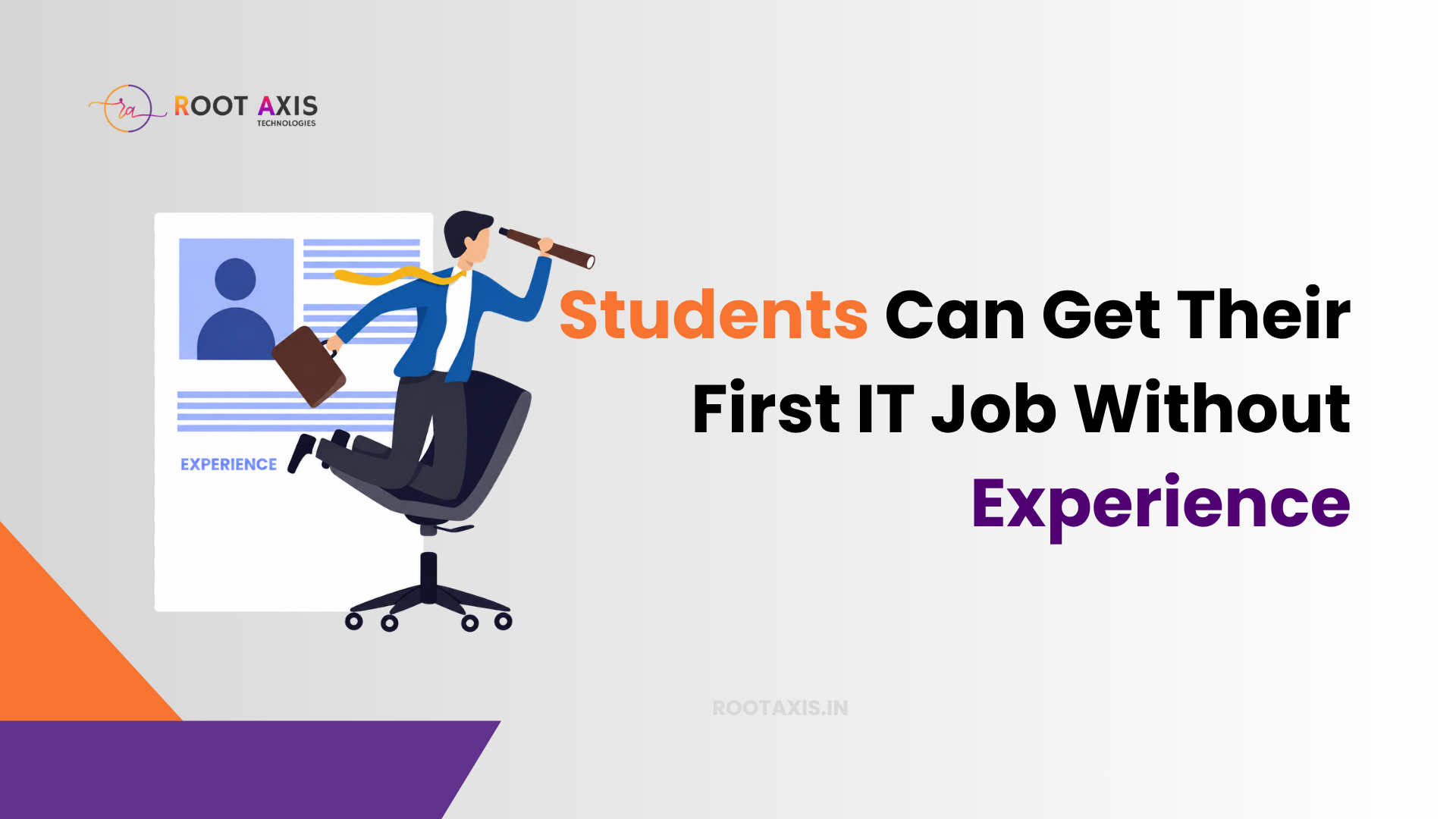
How Students Can Get Their First IT Job Without Experience
Getting your first IT job can be challenging, especially when most job descriptions mention experience as a requirement. However, students and freshers do not always need previous work experience to start a career in the IT industry. Companies also look for candidates who have relevant skills, practical knowledge, problem-solving abilities, and a willingness to learn. With the right preparation, students can make themselves job-ready even before getting their first job.
Choose the Right IT Career Path
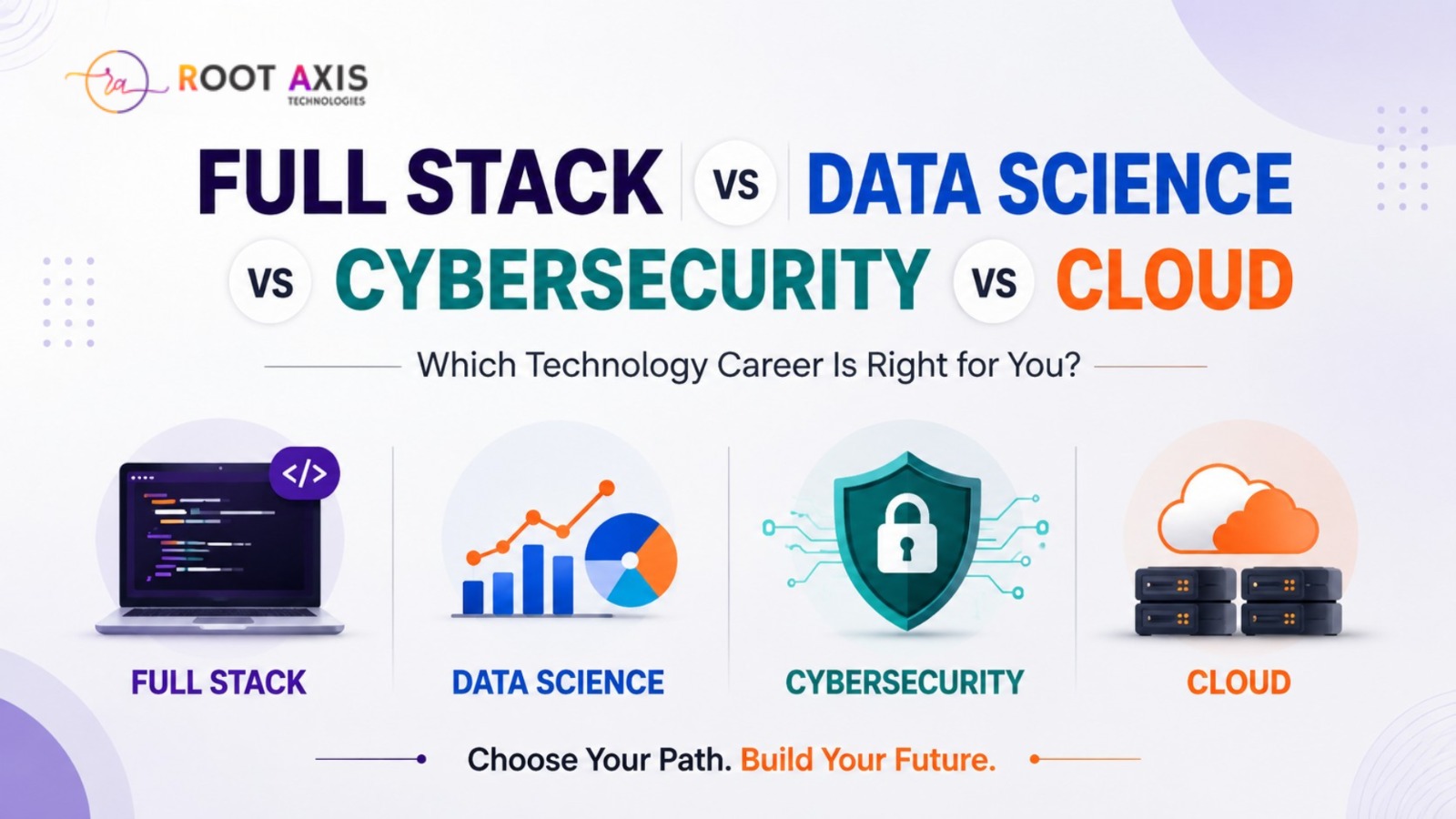
The first step is to identify the right career path. The IT industry offers opportunities in software development, web development, UI/UX design, digital marketing, data analytics, cybersecurity, cloud computing, software testing, and many other areas. Students should choose a field based on their interests and strengths instead of trying to learn everything at once. Having a clear career goal makes it easier to identify the skills and knowledge required for a particular job.
Develop Job-Ready Skills
A college degree provides a foundation, but practical skills can help students stand out during recruitment. Students should focus on learning the tools and technologies commonly used in their chosen career. For example, someone interested in web development can learn HTML, CSS, JavaScript, and other relevant technologies. Students interested in digital marketing can learn SEO, social media marketing, content marketing, analytics, and online advertising. The goal should be to build strong knowledge in a specific area rather than collecting too many unrelated skills.
Build Practical Projects
Projects are one of the best ways for freshers to demonstrate their abilities when they do not have professional experience. Students can create websites, applications, marketing campaigns, SEO projects, dashboards, UI/UX designs, or other projects related to their career interests. These projects show recruiters that the candidate can apply their knowledge in a practical situation. Students should add their best projects to their resume and portfolio and clearly explain what they worked on and which tools they used.
Create a Strong Resume
A fresher resume does not need years of professional experience. Instead, students should use their resume to highlight their skills, academic projects, personal projects, internships, certifications, achievements, and relevant training. The resume should be simple, professional, and customized according to the job role. Students should also include links to their portfolio, GitHub, LinkedIn profile, or other relevant work whenever possible.
Build a Professional Online Presence
Having a professional online presence can also help students get noticed by recruiters. A well-maintained LinkedIn profile can showcase skills, certifications, projects, and learning achievements. Students in technical fields can also use GitHub or personal portfolios to display their work. Regularly sharing useful projects or industry-related learning can help create a stronger professional identity.
Gain Experience Through Internships
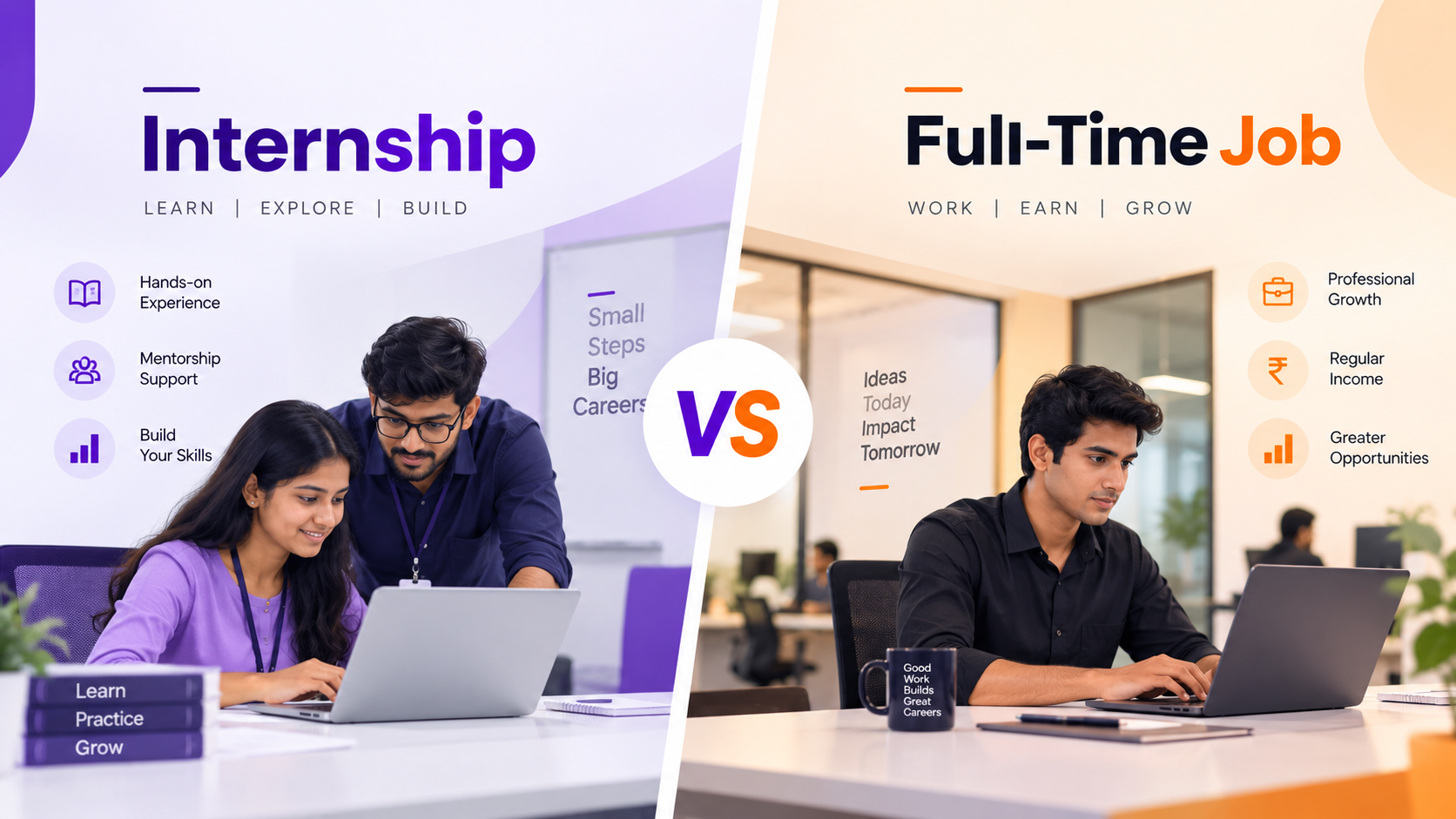
Students should not wait until graduation to gain practical exposure. Internships, trainee positions, freelance projects, and entry-level opportunities can help them understand how real-world work happens. Even a short internship can provide valuable experience and give students something meaningful to add to their resumes. Practical exposure can also build confidence for interviews.
Prepare for IT Interviews
Interview preparation is an important part of getting a first IT job. Students should be ready to explain their skills, projects, education, and career goals clearly. Depending on the job role, they may also need to prepare for technical questions, aptitude tests, problem-solving questions, and HR interviews. Students should especially understand their projects well because recruiters often ask questions about the candidate’s contribution, challenges, and learning.
Keep Learning and Improving
The IT industry continues to change with new technologies and tools. Students should develop a habit of continuous learning even after completing a course or degree. Online resources, practical projects, workshops, industry training, and AI-powered learning tools can help students improve their knowledge. Staying updated with relevant technologies can make candidates more confident and better prepared for changing job requirements.
Network With Industry Professionals
Networking is another useful way for students to discover career opportunities. Connecting with IT professionals, recruiters, alumni, trainers, and industry experts can help students understand current industry expectations. Attending workshops, webinars, career events, and professional communities can also introduce students to new opportunities and valuable guidance.
Start Applying Without Waiting for Perfection
One common mistake students make is waiting until they feel completely ready before applying for jobs. No fresher knows everything when starting their career. Once students have developed the basic skills required for their target role and have a few projects to demonstrate their knowledge, they should start applying for suitable entry-level positions. Every interview can provide experience and help them understand where they need to improve.
Conclusion
Getting a first IT job without previous experience may seem difficult. Still, students can improve their chances by developing relevant skills, creating practical projects, building a strong resume, gaining internship experience, and preparing properly for interviews. Instead of worrying about the lack of experience, students should focus on proving what they can do. With consistent learning, practical exposure, and the right career guidance, students can take their first step toward a successful IT career.
Frequently Asked Questions
1. Can I get an IT job without any experience?
Yes, students and freshers can get entry-level IT jobs without previous professional experience. Having relevant skills, practical projects, certifications, and good interview preparation can help demonstrate your abilities to recruiters.
2. What skills should students learn to get an IT job?
The skills depend on the career path you choose. Students can learn programming, web development, UI/UX design, digital marketing, data analytics, cybersecurity, cloud computing, or software testing based on their interests and target job role.
3. Are projects important for getting an IT job as a fresher?
Yes. Projects help students demonstrate their practical knowledge and show recruiters that they can apply what they have learned. Including relevant projects in your resume and portfolio can strengthen your profile.
4. Do I need an IT degree to get an IT job?
Not always. While many IT jobs have specific educational requirements, some companies also consider candidates based on their practical skills, projects, certifications, and knowledge.
5. How can I prepare for my first IT interview?
Students should prepare their self-introduction, technical concepts, project explanations, aptitude questions, problem-solving questions, and common HR interview questions. Practicing mock interviews can also improve confidence.